Showing posts with label health cure. Show all posts

Tuesday, 11 June 2013

Brain Tumor


Brain tumor facts Medically Edited by:
  • Primary brain tumors can be either malignant (contain cancer cells) or benign (do not contain cancer cells).
  • Brain tumors can occur at any age.
  • The exact cause of brain tumors is not clear.
  • Physicians group brain tumors by grade (the way the cells look under a microscope).
  • Brain tumors are classified as grade I, grade II, or grade III, or grade IV
  • There most common type of primary brain tumors among adults are astrocytoma, meningioma, and oligodendroglioma.
  • The most common type of primary brain tumors in children are medulloblastoma, grade I or II astrocytoma, ependymoma, and brain stem glioma.
  • Studies have found risk factors for brain tumors to include ionizing radiation from high dose X-rays (for example, radiation therapy where the machine is aimed at the head), and family history.
  • The symptoms of brain tumors depend on their size, type, and location.
  • The most common symptoms of brain tumors include headaches; numbness or tingling in the arms or legs; seizures, memory problems; mood and personality changes; balance and walking problems; nausea and vomiting; changes in speech, vision, or hearing.
  • Brain tumors are diagnosed by the doctor based on the results of a medical history and physical examination and results of a variety of specialized tests of the brain and nervous system.
  • Treatment of a brain tumor depends on the type, location, and size of the tumor, as well as the age and health of the patient.
  • Options for brain tumor treatment include surgery, radiation therapy, and chemotherapy (or a combination of treatments).

Types of primary brain tumors

There are many types of primary brain tumors. Primary brain tumors are named according to the type of cells or the part of the brain in which they begin. For example, most primary brain tumors begin in glial cells. This type of tumor is called a glioma.
Among adults, the most common types are:
  • Astrocytoma: The tumor arises from star-shaped glial cells called astrocytes. It can be any grade. In adults, an astrocytoma most often arises in the cerebrum.
    • Grade I or II astrocytoma: It may be called a low-grade glioma.
    • Grade III astrocytoma: It's sometimes called a high-grade or an anaplastic astrocytoma.
    • Grade IV astrocytoma: It may be called a glioblastoma or malignant astrocytic glioma.
  • Meningioma: The tumor arises in the meninges. It can be grade I, II, or III. It's usually benign (grade I) and grows slowly.
  • Oligodendroglioma: The tumor arises from cells that make the fatty substance that covers and protects nerves. It usually occurs in the cerebrum. It's most common in middle-aged adults. It can be grade II or III.
Among children, the most common types are:
  • Medulloblastoma: The tumor usually arises in the cerebellum. It's sometimes called a primitive neuroectodermal tumor. It is grade IV.
  • Grade I or II astrocytoma: In children, this lowgrade tumor occurs anywhere in the brain. The most common astrocytoma among children is juvenile pilocytic astrocytoma. It's grade I.
  • Ependymoma: The tumor arises from cells that line the ventricles or the central canal of the spinal cord. It's most commonly found in children and young adults. It can be grade I, II, or III.
  • Brain stem glioma: The tumor occurs in the lowest part of the brain. It can be a low-grade or high-grade tumor. The most common type is diffuse intrinsic pontine glioma.

What are the risk factors for brain tumors?

When you're told that you have a brain tumor, it's natural to wonder what may have caused your disease. But no one knows the exact causes of brain tumors. Doctors seldom know why one person develops a brain tumor and another doesn't.
Researchers are studying whether people with certain risk factors are more likely than others to develop a brain tumor. A risk factor is something that may increase the chance of getting a disease.
Studies have found the following risk factors for brain tumors:
  • Ionizing radiation: Ionizing radiation from high dose x-rays (such as radiation therapy from a large machine aimed at the head) and other sources can cause cell damage that leads to a tumor. People exposed to ionizing radiation may have an increased risk of a brain tumor, such as meningioma or glioma.
  • Family history: It is rare for brain tumors to run in a family. Only a very small number of families have several members with brain tumors.
Researchers are studying whether using cell phones, having had a head injury, or having been exposed to certain chemicals at work or to magnetic fields are important risk factors. Studies have not shown consistent links between these possible risk factors and brain tumors, but additional research is needed.

What are the symptoms of a brain tumor?

The symptoms of a brain tumor depend on tumor size, type, and location. Symptoms may be caused when a tumor presses on a nerve or harms a part of the brain. Also, they may be caused when a tumor blocks the fluid that flows through and around the brain, or when the brain swells because of the buildup of fluid.
These are the most common symptoms of brain tumors:
  • Headaches (usually worse in the morning)
  • Nausea and vomiting
  • Changes in speech, vision, or hearing
  • Problems balancing or walking
  • Changes in mood, personality, or ability to concentrate
  • Problems with memory
  • Muscle jerking or twitching (seizures or convulsions)
  • Numbness or tingling in the arms or legs
Most often, these symptoms are not due to a brain tumor. Another health problem could cause them. If you have any of these symptoms, you should tell your doctor so that problems can be diagnosed and treated.

What is the treatment for a brain tumor?

People with brain tumors have several treatment options. The options are surgery, radiation therapy, and chemotherapy. Many people get a combination of treatments.
The choice of treatment depends mainly on the following:
  • The type and grade of brain tumor
  • Its location in the brain
  • Its size
  • Your age and general health
For some types of brain cancer, the doctor also needs to know whether cancer cells were found in the cerebrospinal fluid.
Your doctor can describe your treatment choices, the expected results, and the possible side effects. Because cancer therapy often damages healthy cells and tissues, side effects are common. Before treatment starts, ask your health care team about possible side effects and how treatment may change your normal activities. You and your health care team can work together to develop a treatment plan that meets your medical and personal needs.
You may want to talk with your doctor about taking part in a clinical trial, a research study of new treatment methods. See the Taking Part in Cancer Research section.
Your doctor may refer you to a specialist, or you may ask for a referral. Specialists who treat brain tumors include neurologists, neurosurgeons, neuro-oncologists, medical oncologists, radiation oncologists, and neuroradiologists.
Your health care team may also include an oncology nurse, a registered dietitian, a mental health counselor, a social worker, a physical therapist, an occupational therapist, a speech therapist, and a physical medicine specialist. Also, children may need tutors to help with schoolwork. (The Rehabilitation section has more information about therapists and tutors.)
You may want to ask your doctor these questions before you begin treatment:
  • What type of brain tumor do I have?
  • Is it benign or malignant?
  • What is the grade of the tumor?
  • What are my treatment choices? Which do you recommend for me? Why?
  • What are the expected benefits of each kind of treatment?
  • What can I do to prepare for treatment?
  • Will I need to stay in the hospital? If so, for how long?
  • What are the risks and possible side effects of each treatment? How can side effects be managed?
  • What is the treatment likely to cost? Will my insurance cover it?
  • How will treatment affect my normal activities? What is the chance that I will have to learn how to walk, speak, read, or write after treatment?
  • Would a research study (clinical trial) be appropriate for me?
  • Can you recommend other doctors who could give me a second opinion about my treatment options? How often should I have checkups?

Nutrition during brain tumor treatment

It's important for you to take care of yourself by eating well. You need the right amount of calories to maintain a good weight. You also need enough protein to keep up your strength. Eating well may help you feel better and have more energy.
Sometimes, especially during or soon after treatment, you may not feel like eating. You may be uncomfortable or tired. You may find that foods don't taste as good as they used to. In addition, the side effects of treatment (such as poor appetite, nausea, vomiting, or mouth blisters) can make it hard to eat well. Your doctor, a registered dietitian, or another health care provider can suggest ways to deal with these problems.

What supportive care is available for patients and caregivers?

A brain tumor and its treatment can lead to other health problems. You may receive supportive care to prevent or control these problems.
You can have supportive care before, during, and after cancer treatment. It can improve your comfort and quality of life during treatment.
Your health care team can help you with the following problems:
  • Swelling of the brain: Many people with brain tumors need steroids to help relieve swelling of the brain.
  • Seizures: Brain tumors can cause seizures (convulsions). Certain drugs can help prevent or control seizures.
  • Fluid buildup in the skull: If fluid builds up in the skull, the surgeon may place a shunt to drain the fluid. Information about shunts is in the Surgery part of the Treatment section.
  • Sadness and other feelings: It's normal to feel sad, anxious, or confused after a diagnosis of a serious illness. Some people find it helpful to talk about their feelings. See the Sources of Support section for more information.
Many people with brain tumors receive supportive care along with treatments intended to slow the progress of the disease. Some decide not to have antitumor treatment and receive only supportive care to manage their symptoms.


sources: http://www.medicinenet.com/brain_tumor/article.htm
;​​​​​​​​​​​

9 Ways to Sleep Better Every Night

Hello, sweet dreams. Learn how to get to sleep better the all-natural way 


slumber results in increased energy and productivity, improved heart and immune system health, a better mood, even a longer life. And hey, you just feel so much better after a satisfying 8 hours of rest. But chances are, you’re not getting that. “Sleep issues are epidemic among women today,” says Michael Breus, PhD, clinical psychologist and author of The Sleep Doctor’s Diet Plan. If sleep is still elusive, try these 9 natural ideas to find the sleep formula that works best for you.
 
1. Set a sleep schedule. 
If you do only one thing to improve your sleep, go to bed at the same time every night and get up at the same time every morning—even on weekends. 
 
2. Keep a sleep diary.
To help you understand how your habits affect your rest, track your sleep and other activities every day for at least 2 weeks. Write down not only what’s obviously sleep related, but also what you ate and what exercise you got. Comparing your activities with your sleep patterns can show you where to make changes. 
 
3. Stop smoking.
Nicotine is a stimulant, so it prevents you from falling asleep. Don’t worry that quitting will keep you up nights: That effect passes in about 3 nights, says Lisa Shives, MD, founder of Northshore Sleep Medicine in Evanston, Illinois.
 
4. Review your medications.
Beta-blockers (for high blood pressure) may cause insomnia; so can SSRIs (antidepressants including Prozac and Zoloft). Write down every drug and supplement you take and ask your doctor if they can affect your sleep.
 
5. Exercise, but not within 4 hours of bedtime.
Working out—especially cardio exercise—improves the length and quality of your sleep, says Shives. But 30 minutes of vigorous aerobic exercise keeps your body temperature elevated for about 4 hours, inhibiting sleep. 
 
6. Cut caffeine after 2 p.m. 
Caffeine stays in your system for about 8 hours, so if you have a cappuccino after dinner, at bedtime it’ll either prevent your brain from entering deep sleep or stop you from sleeping altogether.
 
7. Don’t drink before bed. 
A few hours after drinking, alcohol levels in your blood start to drop, which signals your body to wake up. It takes the average person about an hour to metabolize one drink, so if you have two glasses of wine with dinner, finish your last sip at least 2 hours before bed.
 
8. Snack on cheese and crackers. 
The ideal nighttime nosh combines carbohydrates and either calcium or a protein that contains the amino acid tryptophan. Snack about an hour before bed, so that the amino acids have time to reach your brain. 
 
9. Stay cool. 
Experts recommend sleeping in a room that’s between 65° and 75°F, which is a good guideline. Pay attention to how you feel in bed: Slipping between cool sheets helps trigger a drop in your body temperature. That shift induces melatonin production, which makes you drowsy.

sources: http://discover.rodales.com/health-and-fitness/help-me-sleep-at-night?cid=synd_Yahoo_Health_HowToPreventMemoryLoss_Slideshow_9WaystoSleepBetterEveryNight
;​​​​​​​​​​​

Monday, 10 June 2013

Childhood Skin Problems

There are a number of skin conditions seen in young children, including cradle cap, roseola, and Fifth disease.

Cradle Cap


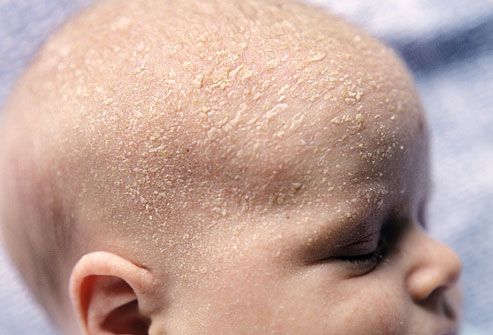
Cradle cap (also called infantile seborrheic dermatitis) is a rash that begins as scaling and redness on a baby's scalp. This condition is a noninfectious skin condition and is a form of eczema. Seborrheic dermatitis is common in infants, usually beginning in the first weeks of life and slowly disappearing over a period of weeks or months. The condition rarely is uncomfortable or itchy.

What Causes Cradle Cap?

The precise cause of the rash is not known; however, Pityrosporum ovale (a yeast) is believed to play a role in this condition.

How Is Cradle Cap Treated?

Mild cases of cradle cap can be treated with mild shampoo. You should wash the hair more frequently than before. This, along with soft brushing, will help remove the scales. Medicated shampoos (dandruff shampoos containing sulfur and 2% salicylic acid) may loosen the scales, but these shampoos can cause irritation and should be used only after consulting a pediatrician. Additional medications, such as topical steroids, may be prescribed to treat the scales and redness.

How Can Cradle Cap Be Prevented?

In most cases, frequent shampooing with a mild baby shampoo can prevent cradle cap from coming back once it has cleared up. A stronger medicated shampoo may be needed in some cases, but seek the advice of your doctor regarding the use of these shampoos. Most children outgrow cradle cap by the time they are 6 months old.

Roseola


Roseola is a viral illness that usually affects children between the ages of 6 months and 2 years. It is typically marked by several days of high fever, followed by a pinkish-red flat or raised rash that appears on the child's trunk and spreads over the body just as the fever breaks.

What Causes Roseola?

Roseola can be caused by two common and closely related viruses: human herpes virus (HHV) type 6 and type 7. These two viruses belong to the same family as the herpes simplex viruses. However, HHV-6 and HHV-7 do not cause the cold sores and genital herpes infections that HSV can cause. Roseola is contagious and spreads through tiny drops of fluid from the nose and throat of infected people. Someone who has not yet developed symptoms often spreads the infection.

What Are the Symptoms of Roseola?

In most cases, a child with roseola develops a mild upper-respiratory illness, followed by a high fever (often higher than 103 degrees Fahrenheit) for three to seven days. The child may be fussy or irritable during this time, may have a weak appetite, and may have swollen glands (lymph nodes) in the neck.
In many cases, the high fever abruptly stops and a rash appears on the child's body at about the same time. The rash is made up of flat or raised pinkish-red spots and appears on the torso. The spots turn white when touched. Individual spots may have lighter areas or "halos" around them. Usually, the rash spreads to the face, legs, arms, and neck.

How Is Roseola Diagnosed?

To diagnose roseola, a doctor will take a history and do a thorough physical exam. A diagnosis of roseola is often uncertain until the fever goes down and a rash appears. As a result, the doctor may order tests to make sure that the fever is not caused by another type of infection.

How Is Roseola Treated?

In most cases, roseola does not require treatment other than trying to bring down a high fever. Antibiotics cannot treat roseola because it is caused by a virus.
Acetaminophen (such as Tylenol) or ibuprofen (such as Advil or Motrin) can help to reduce your child's fever. Avoid giving aspirin to a child because the use of aspirin in such cases has been associated with the development of Reye's syndrome, which can lead to liver failure. A sponge or towel soaked in cool water may help comfort the child until the fever drops. Ice, cold water, alcohol rubs, cold baths, and fans should be avoided.
Encourage your child to drink clear fluids such as water with ice chips, children's electrolyte solutions, flat sodas like ginger ale (stir room-temperature soda until the fizz disappears), or clear broth. Fluids decrease the risk of dehydration.
Call your child's doctor if your child is lethargic, not drinking, or if you cannot keep his fever down. Seek emergency care immediately if your child has a seizure.

Can Roseola Be Prevented?

There is no known way to prevent the spread of roseola. The infection usually affects young children but rarely adults. Therefore, it is thought that exposure to roseola in childhood may provide some lasting immunity to the illness. Repeat cases of roseola may occur, but they are not common.

Fifth Disease


Fifth disease is a highly contagious condition caused by human parvovirus. The condition results in a facial rash that looks like the cheeks have been slapped.
Fifth disease usually affects school-aged children.

What Causes Fifth Disease?

The virus that causes Fifth disease is transmitted by sneezing or coughing. The disease is only contagious before the rash appears.

What Are the Symptoms of Fifth Disease?

Symptoms of Fifth disease include:
  • Flu- and cold-like symptoms such as coughing, runny nose, fever, generalized aches and pains in joints and muscles, loss of appetite, and irritability.
  • A facial rash that looks as if the cheeks have been slapped; the rash is not painful but is warm to the touch.
  • Spreading of the rash to the thighs and arms.

How Is Fifth Disease Diagnosed?

In most cases, a doctor can diagnose Fifth disease by seeing the typical rash during a physical exam. To confirm the diagnosis, a blood test may be done to look for antibodies to parvovirus.

How Is Fifth Disease Treated?

There is no treatment for the disease itself, but medications like Tylenol or Advil can treat the symptoms. Those who have Fifth disease should drink plenty of fluids to prevent dehydration.\

;​​​​​​​​​​​

The Essentials of Diabetes Management

Diabetes management plans have the same components, but the order in which they're delivered will depend on the type of diabetes you have.


Diabetes management is critical to avoid long-term damage to your body. The plan your medical team develops for your day-to-day diabetes treatment will depend on the type of diabetes you have —type 1 diabetes, type 2 diabetes, or gestational diabetes.
However, regardless of type, everyone with diabetes needs to have a treatment plan in place for staying healthy and keeping blood sugar levels stable.
Diabetes Treatment: Type 1 Diabetes
Goals: People with type 1 diabetes cannot naturally produce insulin, a hormone necessary to process glucose into energy. This causes blood glucose levels to go dangerously high, causing system-wide damage. Because of this, the immediate goal of type 1 diabetes management is to provide the insulin you need to bring down your blood glucose level.
Long-term goals for type 1 diabetes treatment involve keeping blood glucose levels steady to prevent diabetes complications such as:
Your diabetes management plan will include:
  • Insulin. You must take insulin on a daily basis, usually through self-injections. Depending on symptoms, you may need to take insulin between one and four times a day and vary the amount you take depending on factors like illness, exercise, travel, and eating large or small meals. To make sure you’re getting enough insulin, you must regularly test blood glucose levels.
  • Diet. You should eat a diet low in fats, sodium, and sugars, and high in fruits and vegetables, whole grains, and low-fat dairy. You’ll also pay close attention to the amount and type of carbohydrates you eat because carbs can drastically affect blood sugar.
  • Exercise. Diabetics should get between a half-hour to an hour of physical activity most days of the week. This will help stabilize blood sugar levels. If, between diet and exercise, you can manage to lose some weight, it will aid diabetes treatment tremendously.
  • Medications. Doctors may prescribe medications to help keep diabetes complications in check. If so, you’ll need to take them every day without fail.
Diabetes Treatment: Type 2 Diabetes
Goals: People with type 2 diabetes have become resistant to insulin, creating many of the same problems faced by people with type 1 diabetes. The goal of type 2 diabetes treatment is to regain control over blood glucose levels, and then maintain that control long-term to prevent complications.
Your diabetes management plan will include:
  • Diet and exercise. Unlike type 1 diabetics, people with type 2 diabetes are still producing insulin. Because of this, the primary focus of type 2 diabetes management is on diet and exercise to restore at least some and perhaps most of the body's ability to process insulin. The diet and exercise guidelines are the same for type 2 diabetics as for type 1. Because many type 2 diabetics are overweight, bariatric surgery is an option for those who cannot lose weight through diet and exercise.
  • Medications. Along with lifestyle changes, you may also be prescribed medications to help your body better process insulin or reduce blood glucose levels. You must be sure to take these medications as prescribed.
  • Insulin. If diet and exercise aren't enough, you may have to take insulin between one and four times per day, and the amount will vary depending on activities. You also will need to self-test regularly to make sure blood glucose levels remain stable. However, unlike those with type 1 diabetics, people with type 2 diabetes may be able to stop taking insulin and other diabetes medications if they lose weight and their bodies respond to diet and exercise.
Diabetes Treatment: Gestational Diabetes
Goals: Gestational diabetes develops in women during pregnancy, causing their blood sugar levels to rise. Since this form of diabetes usually resolves itself after childbirth, the goals are focused on managing blood glucose levels to maintain the immediate health of the baby and the mother.
Your diabetes management plan will include:
  • Diet and exercise. Eat a balanced diet featuring a wide variety of nutritional foods. The "eating for two" myth is exactly that — women don’t need to double their food intake. In fact, an extra 300 extra calories a day is more than enough.
  • Monitoring the baby. Doctors will keep a close eye on baby's health throughout the pregnancy to make sure that high blood glucose levels do no harm. Periodically your doctor will perform special tests to make sure your baby is not having problems. Most often this involves monitoring the child's heartbeat and the response when your child moves around.
Doctors use similar strategies to treat the different types of diabetes — it’s the delivery order that differs. Regardless of the type of diabetes you have, a diabetes care team can help guide you through your management plan.
;​​​​​​​​​​​

Drinking Alcohol Linked to Unhealthy Diet

Study Shows People Who Drink Alcohol Less Likely to Eat Whole Grains and Fruit


March 30, 2010 -- A federal study shows that men and women who drink alcohol are less likely to eat whole grains and fruit and to drink milk, and they are more likely to eat unhealthy foods high in fat and sugar.
Researchers at the National Institute on Alcohol Abuse and Alcoholism (NIAAA), the National Cancer Institute, and the U.S. Department of Agriculture interviewed 8,155 men and 7,715 women in the U.S. about their drinking and dietary habits. Their findings are reported in the April 2010 issue of Journal of the American Dietetic Association.
"Heavy drinking and dietary factors have independently been associated with cardiovascular disease, certain cancers, and other chronic health problems," NIAAA Acting Director Kenneth R. Warren, PhD, says in a news release "This finding raises questions about whether the combination of alcohol misuse and poor diet might interact to further increase health risks."

Alcohol and Poor Diet

Overall, the study results show that among current drinkers for both sexes, as alcohol use increased, healthy eating scores decreased. Eating fruit decreased and calorie intake increased in both men and women who drink alcohol. Eating whole grains and drinking milk decreased significantly among male alcohol drinkers.
Researchers note that both diet and drinking alcohol are lifestyle behaviors that can be modified in order to reduce the risk of disease and disease-related deaths.
The findings are based on data collected for the National Health and Nutrition Examination Survey, a large, ongoing survey of the U.S. population that is being conducted by the CDC. This data were collected between 1999 and 2006. Most of the study participants were non-Hispanic whites, had at least a high school education, did not smoke, and had a mean body mass index (BMI) of 25 or higher, indicating that they were either overweight or obese.
The researchers ranked participants' alcohol drinking status as either never, former, or current drinkers. In this study, 76% of men and 65% of women were current drinkers. Researchers also factored in the participants' Healthy Eating Index scores, which measured how closely people followed federal dietary guidelines. The Health Eating Index scores were based on the participants' memory of what they had eaten in the past 24 hours.
The researchers note that a 24-hour recall of individual diets does not reflect a person's overall eating habits, but it does provide a snapshot of a person's dietary preferences. Moderate alcohol drinking is defined by the 2005 U.S. Dietary Guidelines as no more than one drink a day for women and no more than two drinks a day for men.

Study researcher Rosalind A. Breslow, PhD, an epidemiologist in NIAAA's Division of Epidemiology and Prevention Research, says in a news release, "Our findings underscore the importance of moderation for individuals who choose to consume alcoholic beverages, and a greater awareness of healthy food choices among such individuals."

sources: http://www.medicinenet.com/script/main/art.asp?articlekey=114901
;​​​​​​​​​​​

Blissing Out: 10 Relaxation Techniques To Reduce Stress On-the-Spot

If your hectic lifestyle has got you down, experts say relaxation techniques can bring you back into balance -- some in five minutes or less


The kids need a ride to school, your husband can't find his shorts, your boss has just scheduled an online meeting, and your best friend desperately needs your help -- all at the same time.
Is it any wonder that you can't find a minute for relaxation? In fact, if you're like most women, you may have even forgotten how to relax.
And though experts say that some stress is good for you -- it can sharpen your senses and your mind -- too much stress is bad for your mental and physical health. At the same time, relaxation can do wonders to restore balance in your life -- and may even reduce some of the health risks associated with stress.
WebMD talked to the experts to learn more about relaxation -- and how to attain it. What follows are 10 on-the-spot techniques you can use -- any time and almost anywhere -- to reduce the tension in your life.
1. Meditate
If you're thinking meditation means twisting your body into an uncomfortable position and uttering "oohs" and "omms" for an hour, guess again. Any repetitive action can be a source of meditation, says Herbert Benson, MD, author of The Relaxation Response and director emeritus of Benson-Henry Institute for Mind Body Medicine in Chestnut Hill, Mass. This includes walking, swimming, painting, knitting -- any activity that helps keep your attention calmly in the present moment.
When you catch yourself thinking about your job, your relationship or your lifelong to-do list, experts say to simply let the thought escape, and bring your mind back the repetition of the activity. Try it for just 5 to 10 minutes a day and watch stress levels drop.
2. Picture Yourself Relaxed
Is your mind too talkative to meditate? Try creating a peaceful visualization, or "dreamscape." To start, simply visualize anything that keeps your thoughts away from current tensions. It could be a favorite vacation spot, a fantasy island, that penthouse in New York City -- or something "touchable," like the feel of your favorite silk robe or cozy sweater.
The idea is to take your mind off your stress, and replace it with an image that evokes a sense of calm. The more realistic your daydream -- in terms of colors, sights, sounds; even touch and feel -- the more relaxation you'll experience.
3. Breathe Deeply
Feeling stressed evokes tense, shallow breathing, while calm is associated with relaxed breathing, says Michael Lee, author of Turn Stress into Bliss and founder of Phoenix Rising Yoga Therapy in Bristol, Vermont. So to turn tension into relaxation, he says, change the way you breathe.
Try this: Let out a big sigh, dropping your chest, and exhaling through gently pursed lips, says Joan Borysenko, PhD, director of Harvard's Mind-Body Clinical Programs. Now imagine your low belly, or center, as a deep, powerful place. Feel your breath coming and going as your mind stays focused there. Inhale, feeling your entire belly, sides and lower back expand. Exhale, sighing again as you drop your chest, and feeling your belly, back and sides contract. Repeat 10 times, relaxing more fully each time
4. Look Around You
"Mindfulness is the here-and-now approach to living that makes daily life richer and more meaningful," says Claire Michaels Wheeler, MD, PhD, author of 10 Simple Solutions to Stress. It's approaching life like a child, without passing judgment on what occurs. Mindfulness means focusing on one activity at a time, so forget multi-tasking! Staying in the present-tense can help promote relaxation and provide a buffer against anxiety and depression.
Practice it by focusing on your immediate surroundings. If you're outdoors, enjoy the shape and colors of flowers, hear a bird's call or consider a tree. In the mall, look at the details of a dress in the window, examine a piece of jewelry and focus on how it's made, or window-shop for furniture, checking out every detail of pattern and style. As long as you can keep your mind focused on something in the present, stress will take a back seat.
5. Drink Hot Tea
If you're a coffee-guzzler, consider going green. Coffee raises levels of the notorious stress hormone, cortisol, while green tea offers health and beauty, says Nicholas Perricone, MD, author of 7 Secrets to Beauty, Health, and Longevity.
Chamomile tea is a traditional favorite for calming the mind and reducing stress. And black tea may be a stress-fighter, too, researchers from University College London report. Participants who drank regular black tea displayed lower levels of cortisol, and reported feeling calmer during six weeks of stressful situations than those who drank a placebo with the same amount of caffeine.
6. Show Some Love
Induce the relaxation response by cuddling your pet, giving an unexpected hug to a friend or family member, snuggling with your spouse, or talking to a friend about the good things in your lives, says psychologist Deborah Rozman, PhD, co-author ofTransforming Stress. When you do, you'll be reducing your stress levels.
Why? Experts say social interaction helps your brain think better, encouraging you to see new solutions to situations that once seemed impossible, she says. Studies have also shown that physical contact -- like petting your dog or cat -- may actually help lower blood pressure and decrease stress hormones.
7. Try Self-Massage
When your muscles are tense and you've no time to visit a pro, try this simple self-massage technique from Darrin Zeer, author of Lover's Massage and Office Yoga.Relax, and travel straight to Zen-land.
  • Place both hands on your shoulders and neck.
  • Squeeze with your fingers and palms.
  • Rub vigorously, keeping shoulders relaxed.
  • Wrap one hand around the other forearm.
  • Squeeze the muscles with thumb and fingers.
  • Move up and down from your elbow to fingertips and back again.
  • Repeat with other arm.
8. Take a Time-Out
Adults need time-outs, too. So when you sense your temper is about to erupt, Jeff Brantley, MD, author of Five Good Minutes In the Evening, suggests finding a quiet place to sit or lie down and put the stressful situation on hold. Take a few deep breaths and concentrate on releasing tension and calming your heartbeat. Quiet your mind and remember: Time is always on your side, so relax. The stress can wait.
9. Try a Musical Detour
Music can calm the heartbeat and soothe the soul, the experts say. So, when the going gets rough, take a musical stress detour by aligning your heartbeat with the slow tempo of a relaxing song. And you might want to make that a classical tune. Research shows that listening to 30 minutes of classical music may produce calming effects equivalent to taking 10 mg of Valium.
10. Take an Attitude Break
Thirty seconds is enough time to shift your heart's rhythm from stressed to relaxed, Rozman says. The way to do that: Engage your heart and your mind in positive thinking. Start by envisioning anything that triggers a positive feeling -- a vision of your child or spouse, the image of your pet, that great piece of jewelry you're saving up to buy, a memento from a vacation -- whatever it is, conjuring up the thought will help slow breathing, relax tense muscles and put a smile on your face. Rozman says that creating a positive emotional attitude can also calm and steady your heart rhythm, contributing to feelings of relaxation and peace.
;​​​​​​​​​​​

Foods That Fight Spring Allergies


Along with the bloom of spring comes allergy season, and experts say this could be one of the worst yet.  Allergy specialists and meteorologists alike have noticed an extremely high pollen concentration, due in part to winter precipitation and warmer temperatures. In addition, global climate change is leading to high levels of carbon dioxide, which encourages trees to produce more pollen and allows mold to flourish and release spores.
About 35 million Americans suffer from seasonal allergies, which are caused by an overreaction of the immune system to particles in the air. Symptoms include a runny nose, watery and itchy eyes, coughing and sneezing, post-nasal drip, and itchy ears, nose, and throat.
There’s more bad news, too.  As global temperature begins to warm, allergy season begins earlier each year, and lasts longer. Pollen counts have been rising, and the seasons for tree allergies and grass allergies may now overlap—making life miserable for people who are allergic to both.
Common treatments for allergies include antihistamines, decongestants and nasal spray, but solid science suggests that certain foods can help fight spring allergies, as well. Try these seven foods to fight your spring allergies.

1. Citrus Fruits: Oranges, Grapefruits, and More

Bring on the vitamin C, found in abundance in your favorite citrus fruits! This vitamin has antihistamine properties and preliminary research suggests that it may reduce the symptoms of allergies. It’s even been suggested that nursing moms can help developing kids reduce the risk of allergies if they have vitamin C in their breast milk. Vitamin C has many other benefits, too, since it helps to repair tissues in all parts of the body.

 2. Tomatoes

Children who adhered to a Mediterranean diet had lower levels of certain allergy symptoms, according to a 2007 study. The diet includes a high amount of fruits, nuts, and vegetables—including tomatoes.
Like citrus fruits, tomatoes are high in vitamin C, but their allergy-fighting properties go further. Tomatoes are also rich in lycopene, a potent antioxidant that may helpreduce symptoms of asthma, which often worsen during allergy season. Lycopene has also been studied for its anti-inflammatory properties—a benefit that could bring welcome relief to people suffering from swollen nasal passages due to the pollen in the air.
In addition to potentially fighting the effects of allergies, lycopene helps inhibit the action of destructive free radicals.  Higher lycopene in the blood has been linked to lower levels of certain types of cancer.

3. Sunflower seeds

Get some vitamin E in your diet, and it could well combat those pesky allergy symptoms. Research has shown that a diet higher in vitamin E may reduce the body’s response to allergens. To get your fill of this vitamin, sunflower seeds are an excellent option. Wheat germ oil, almonds, and peanuts (or peanut butter) are also good choices.

4. Spinach

It’s time to make Popeye proud. Because people low in magnesium are more prone to asthma and wheezing, getting more of this crucial mineral, which plays a role in more than 300 biological functions, may be helpful.  Other sources of magnesium include nuts (especially almonds and cashews), bran, and oatmeal.

5. Onions and garlic

Add quercetin to the list of nutrients that scientists believe may reduce the symptoms of allergies. Although more research needs to be conducted to prove that this works in humans, in test tubes, quercetin prevented immune cells from releasing histamines—the very chemicals that cause allergic reactions.
Quercetin is an antioxidant, so it can help neutralize harmful free radicals as well. Beyond onions and garlic, other good sources of quercetin include apples, parsley, sage, citrus fruits, and even red wine.

6. Honey

It’s been theorized that locally produced, raw honey may reduce seasonal allergies, because the bees use nectar from flowering plants in one’s area to produce honey, which might help desensitize the body’s response to pollen allergens.
Although the scientific evidence is limited, one preliminary 2011 study found that those who used birch pollen honey before the start of birch allergy season had better control of allergy symptoms than those on conventional medication. Patients who took birch pollen honey reported a 60 percent lower total symptom score, twice the number of asymptomatic days, and 70 percent fewer days with severe symptoms, compared to the control group. They also used fewer antihistamines than patients taking regular honey.

7. Butterbur leaf

This herb may be a good antidote for nasal discomfort in people with hay-fever, according to a 2006 study involving 580 patients. Study participants were given two tablets, and symptoms (including itchy eyes and nose, red eyes, skin irritation, sneezing, nasal congestion and rhinorrhea) improved in 90 percent of them, over a two week period.
Butterbur can be found over the counter in health food and supplement stores, but, as with all new treatments and herbal supplements, it’s best to speak to your doctor before taking it.
;​​​​​​​​​​​

Sunday, 9 June 2013

Dry skin


Dry skin facts

  • Dry skin is a very common condition that causes small fine flakes and dry patches.
  • Itching is one of the most common symptoms of dry skin.
  • Scratching may be hard to resist.
  • Dry skin is more common in colder winter months and drier climates.
  • The elderly are more prone to dry skin than younger people.
  • Dry skin is more common in individuals with a history of eczema, atopic dermatitis, allergies, or asthma.
  • Dry skin may rarely be a side effect of medications.
  • Dry skin is more common in those with hypothyroidism and hyperthyroidism.
  • Repeat itch-scratch cycles may lead to skin thickening and darkening.
  • Possible complications include rashes, eczema, and bacterial infections.
  • Extremely dry skin can cause cracks and breaks on the skin.
  • Medications including topical corticosteroids and oral antihistamines can help ease itching.
  • Secondary infections may result from scratches and skin breakdown.
  • Topical or oral antibiotics may be necessary for secondarily infected dry skin.
  • Several home remedies, such as decreasing bathing frequency and lubricating the skin with thick moisturizers after showers, can help control and prevent dry skin.

What is dry skin?

Dry skin is a very common skin condition characterized by a lack of the appropriate amount of water in the most superficial layer of the skin, the epidermis. While dry skin tends to affect males and females equally, older individuals are typically much more prone to dry skin. The skin in elderly individuals tends to have diminished amounts of natural skin oils and lubricants. Areas such as the arms, hands, and particularly lower legs tend to be more affected by dry skin. Dryness of the skin is affected by the amount of water vapor in the surrounding air, the humidity. Dry skin is also known as xeroderma.
Dry skin may be a mild, temporary condition lasting a few days to weeks. Dry skin may also become a more severe, long-term skin problem for some. Symptoms of dry skin include discomfort from skin tightness and itching. In addition, external factors such as weather can affect the severity of skin dryness. For example, cold or dry air and winter weather can worsen dry skin. Individuals whose occupations require more frequent hand-washing and sanitizing may experience dry skin more often. Dry skin may also be a side effect of some medications or a symptom of an underlying medical disorder.
The epidermis is normally composed of fat (lipid) and protein. The lipid portion of the epidermis helps prevent skin dehydration. When the skin's fatty oils are removed, the skin loses its protection and loses moisture more easily. As skin becomes dry, it also may become more sensitive and prone to rashes and skin breakdown. This condition is sometimes referred to as xerosis. Dry skin may be an entirely invisible skin condition, or may cause a fine dry powder-like appearance of the skin. Untreated, dry skin may become irritated and result in a red rash (xerodermatitis).
Simple prevention and treatment measures are very effective in the treatment of dry skin. Basic dry skin prevention steps include avoidance of harsh soaps and chemical cleansers. Treatment generally requires more frequent and regular applications of bland emollients and moisturizers. Untreated, dry skin may result in complications, including rashes, eczema, secondary bacterial infections, cellulitis, and skin discoloration. Fortunately, dry skin is usually mild and can be easily remedied

sources: http://www.medicinenet.com/dry_skin/article.htm#dry_skin_facts
;​​​​​​​​​​​

Treating Depression

8 Tips to Help You Stay on Track While Treating Your Depression


Taking care of yourself is an important part of getting better. Feeling the way you do now didn't happen overnight. Feeling better takes time, too. The following tips may not be right for everyone, so work with your doctor to determine what may work best for you. Remember, as you work on developing new, healthy habits, keep your doctor up-to-date on your progress.


"Always bear in mind that your own resolution to succeed is more important than any other." – Abraham Lincoln

Tip #1: Stay Active

Exercise might seem too hard, so start small. Try a short walk or do a little gardening, for example. Talk with your doctor about what you both think could be an appropriate exercise routine.

Tip #2: Eat Healthier Foods

The food you eat is the fuel that runs your body. Work with your doctor to determine an appropriate goal before you change your eating habits. Also, consider asking a friend or family member to help you with shopping or cooking.

Tip #3: Get a Good Night’s Rest

Not getting enough rest can affect other parts of your life. Try developing good sleeping habits, such as limiting caffeine (especially later in the day) and trying to go to bed and wake up at the same time each day, which can make a big difference.

Tip #4: Do Something Fun Each Day

Knowing that you'll be doing crossword puzzles, sketching, gardening, painting, or reading your favorite book will give you something fun to look forward to every day.

Tip #5: Defer Big Decisions

Some experts suggest putting off major decisions until depression has begun to substantially improve.

Tip #6: Manage Your Stress Level

Be mindful of taking on too many commitments. Getting well takes time. Take it easy on yourself in the meantime.

Tip # 7: Interrupt Negative Thinking

When you start to have a negative thought, try distracting yourself with a positive action. This can be anything — making a cup of tea, turning on the radio, or calling a friend.

Tip #8: Expand Your Support Network

When you're depressed, having a support system to lean on can make things a bit easier. Friends and family can help you do things when you're not well, such as making and keeping doctor's appointments. Sometimes the people close to you will notice changes in your mood before you do, so don't be afraid to ask for input — and help with everyday tasks when you need it.
 
 sources: http://www.webmd.com/mdd-treatment-steps/management-tips
;​​​​​​​​​​​

How to Lose 20 Pounds

A focused strategy will help you reach your weight-loss goal. Counting calories and getting active will help.

Lose 20 Pounds: Successful Strategies
Here are four diet truths to help you achieve your goals:
  • Cutting out sweet drinks is non-negotiable. Sweet tea, soda, and flavored and sweetened milks, waters, and coffees all have to go. Drink plain water, low-fat milk, and sugar-free drinks instead. A study of 810 adults between 25 and 79 years old showed that after 18 months, those who cut out sweet drinks had greater weight loss than those who cut down on food calories. One possible reason: While your body lets you know when it is full of food, there is no way for your body to tell you when you’ve maxed out on liquid calories.
  • Physical activity helps counting calories. Being physically active burns calories while it improves your overall health. Aim for 30 minutes a day most days of the week. A brisk 30- to 45-minute walk burns 100 to 200 calories. If you can burn 200 calories through exercise, you only have to cut out 300 calories in food or drink to reach your daily calorie-cutting goal.
  • Strategically eating less drops weight. A study of 811 overweight people who participated in four popular diets found that whether diets were low-fat, high-protein, or a combination didn’t matter — weight-loss success depends on cutting out calories. In fact, you can continue to eat filling portions if you simply replace high-calorie foods with low-calorie foods that contain a lot of water, such as fruits and vegetables. A study of 97 obese women who ate either a low-fat diet or a low-fat diet with additional fruits and vegetables found that those who emphasized fruits and veggies lost up to five pounds more.
  • Journaling leads to success. Counting calories is easier if you write down (or type in) what you eat, including serving sizes and details such as condiments you may have added. “Research has shown that exercise and journaling really make a difference in long-term weight management,” says Gail Curtis, assistant professor at Wake Forest University Health Sciences in Winston-Salem, N.C. A detailed journal will help you identify your successes and pinpoint where you can cut additional calories or replace high-calorie foods with low-calorie ones.
With dedicated work you can apply these truths to lose 20 pounds in 20 weeks or less. So get moving!

  sources: http://www.everydayhealth.com/weight/how-to-lose-20-pounds.aspx
;​​​​​​​​​​​